Between 28th May and 1st June 2026, the “Green Paths for Green Careers” Youth Exchange brought together young people from Türkiye, Poland, Ireland, Romania, and Italy in Swietousc for five days of learning, creativity, intercultural exchange, and new friendships.
Throughout the project, young participants explored environmental sustainability and green careers through interactive and non-formal learning activities. Rather than simply discussing environmental issues, they had the opportunity to learn by doing, working together in international teams and sharing their own ideas and experiences.
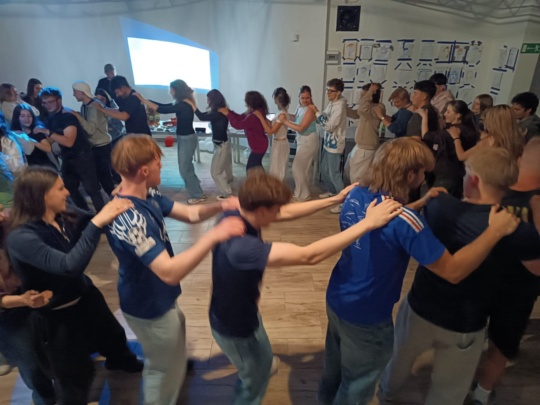
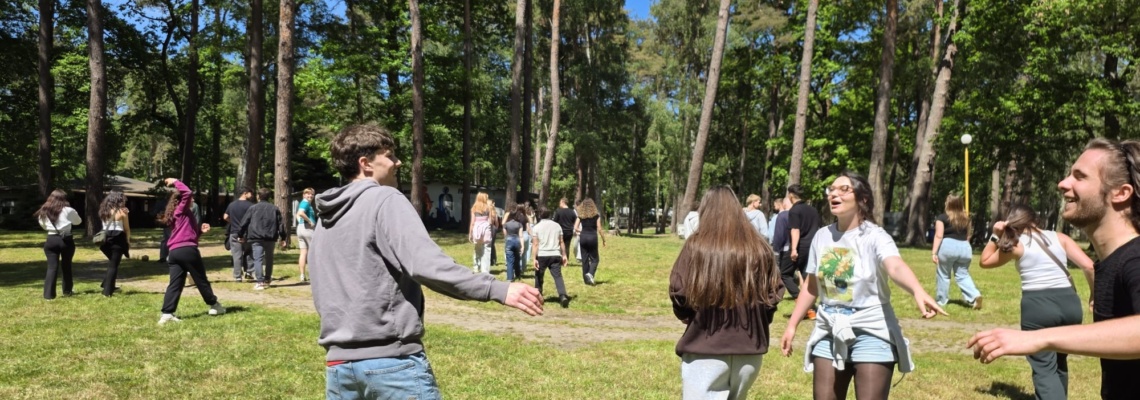
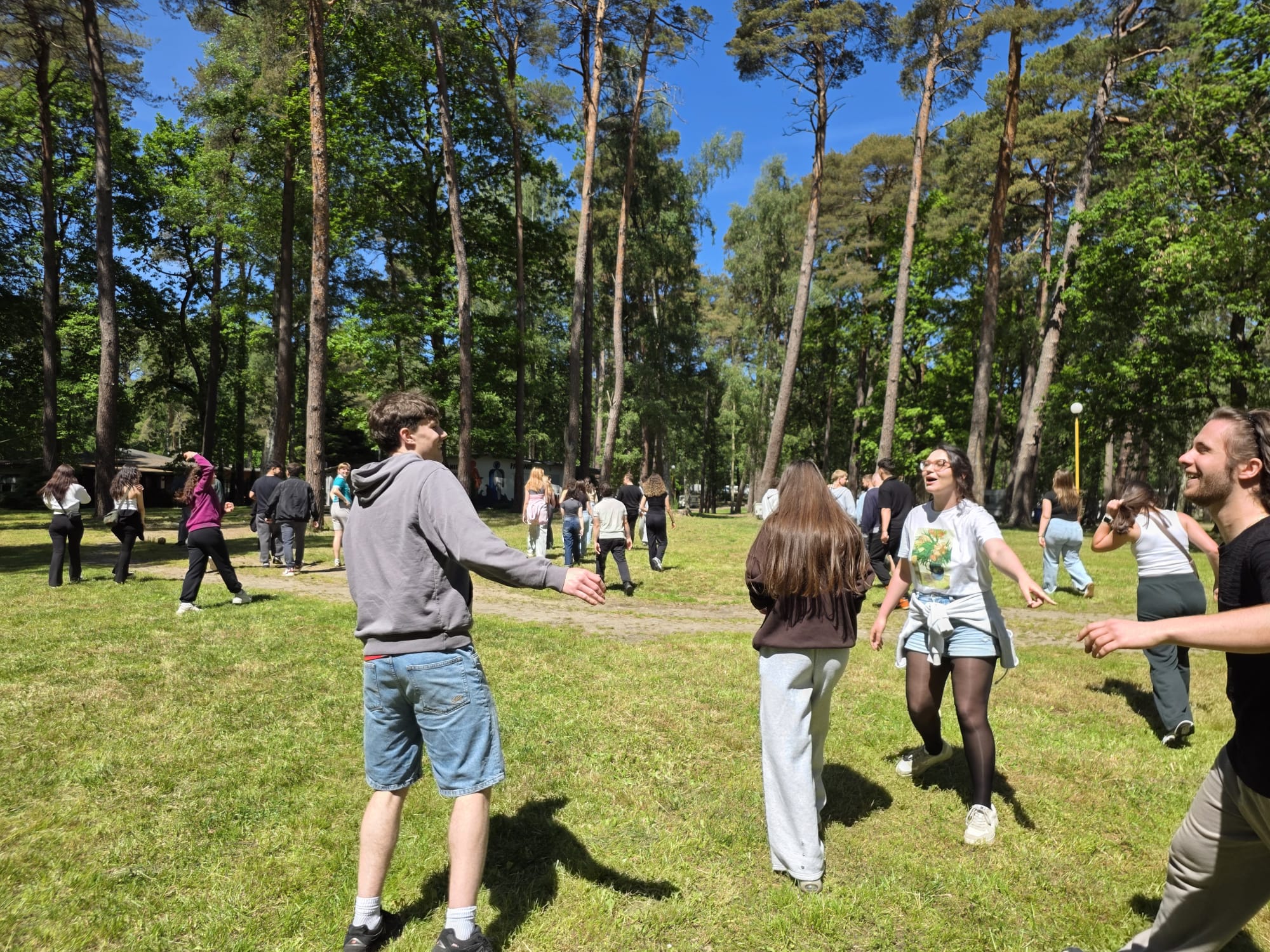
The programme started with name games, ice-breakers, team-building activities, and introductory sessions on Erasmus+, Youthpass, and the objectives of the project. These activities helped participants get to know each other, feel part of the group, and better understand the learning journey ahead.
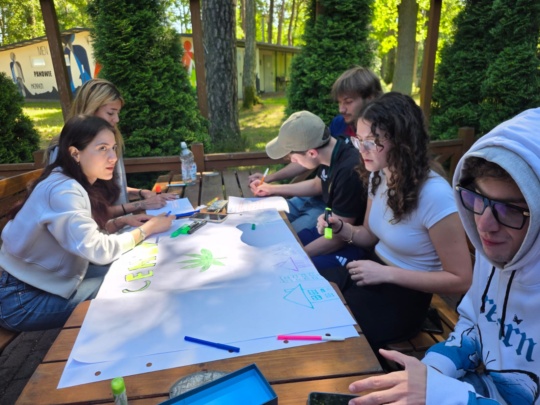
During the following days, young people took part in a wide range of activities combining environmental awareness, creativity, teamwork, and intercultural learning. They researched sustainability, green topics, and green career opportunities; prepared posters and presentations; and exchanged ideas with participants from different countries.
Traditional games also became a creative learning tool during the project. Participants first discovered games from different cultures and later adapted their own traditional games to environmental and “green” themes. They also worked in international groups to develop ideas for environmentally friendly and sustainable businesses, allowing them to explore how their interests and skills could be connected with future green career opportunities.
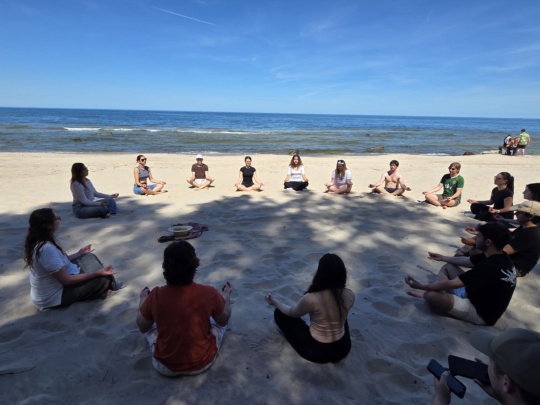
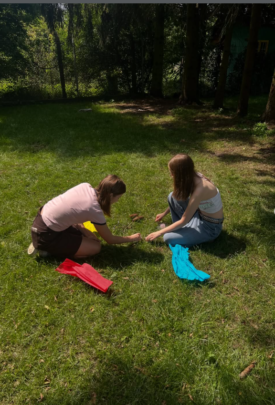
Creative methods were an important part of the programme as well. Through theatre, drama, meditation, energisers, and outdoor activities, participants had opportunities to express themselves, reflect, communicate in new ways, and strengthen their connections with each other. They also explored the camp environment to identify materials that could be recycled or reused and developed ideas about how everyday resources could be given a second life.
One of the highlights of the exchange was a visit to a local school, where participants shared the traditional games they had developed with primary and middle school students. They also supported different activities during the school festival, including face painting, bracelet making, and practical workshops. This gave them the chance to share what they had learned with the local community and experience active participation beyond the project venue.
Intercultural learning continued every evening through cultural programmes prepared by the national teams. Participants discovered the traditions, music, games, food, and everyday life of Poland, Ireland, Romania, Italy, and Türkiye, creating a warm space for cultural exchange and mutual understanding.
By the end of the five-day Youth Exchange, participants had not only gained a better understanding of sustainability and green careers, but had also strengthened their communication, teamwork, creativity, intercultural awareness, self-confidence, and collaboration skills.
Most importantly, Green Paths for Green Careers showed that learning about sustainability can be practical, social, creative, and fun. The project ended with new friendships, shared memories, and young people returning home with fresh ideas and greater motivation to play an active role in building a greener future.